Why Custom Plastic Molding is Essential for Modern Manufacturing
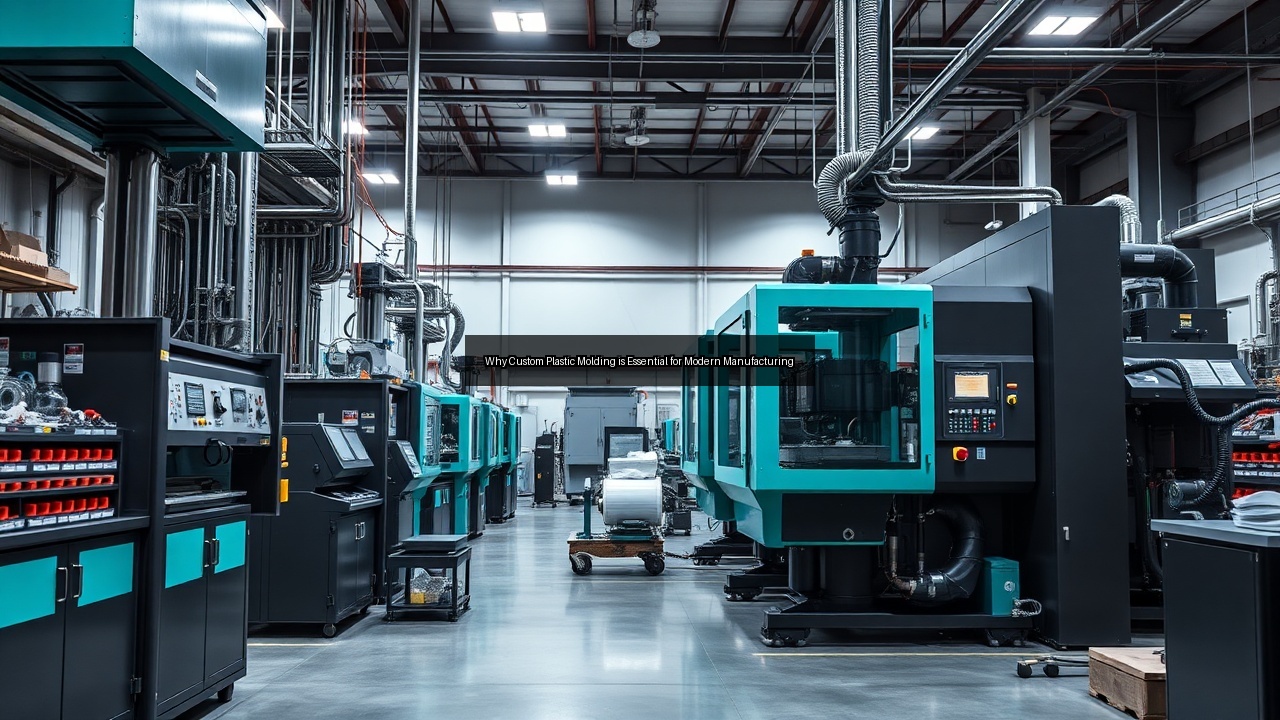
The Importance of Custom Plastic Molding in Modern Manufacturing
Understanding Custom Plastic Molding
Custom plastic molding plays a crucial role in modern manufacturing by allowing businesses to create tailored solutions that meet specific needs. This process involves shaping thermoplastic materials into desired forms using various techniques, such as injection molding and thermoforming. Custom molding enables manufacturers to produce unique parts and components that align with their design specifications, ensuring compatibility and functionality across different applications. By leveraging advanced technologies like 3D printing, custom plastic molding can also facilitate rapid prototyping, further enhancing product development cycles. This level of customization empowers companies to innovate and respond to market demands more effectively.
Benefits of Customized Solutions
Customized solutions in plastic molding offer numerous advantages that can significantly enhance manufacturing efficiency and product quality. First, tailored molds ensure precise dimensions and shapes, minimizing waste and reducing the need for extensive post-processing. This precision translates to improved accuracy in assembly and overall product performance. Secondly, custom plastic parts can be designed for specific applications, allowing for the integration of features like threaded inserts or overmolding, which enhance functionality and user experience. Additionally, custom molding reduces lead times by streamlining production processes, ultimately leading to faster time-to-market for new products. Overall, the benefits of custom plastic molding contribute to enhanced productivity, cost savings, and competitive advantage.
Key Applications in Various Industries
Custom plastic molding finds applications across a diverse range of industries, each requiring unique solutions. In the automotive sector, molded plastic parts are integral to vehicle components, from dashboards to under-the-hood elements, providing durability and lightweight options. The medical industry relies on precision-molded components for devices and instruments, ensuring safety and compliance with stringent regulations. Consumer electronics also benefit from custom molding, with intricate designs that enhance functionality and aesthetics. Furthermore, the packaging industry utilizes custom plastic molds to create innovative designs that improve product presentation and protection. These applications illustrate the versatility and necessity of custom plastic molding in meeting industry-specific demands.
Techniques in Custom Plastic Molding
Injection Molding: A Deep Dive
Injection molding stands out as one of the most widely used techniques in custom plastic molding. This method involves injecting molten thermoplastic materials into a precisely engineered injection mold. The process begins with heating the thermoplastic until it reaches a liquid state, allowing it to flow easily into the mold cavity. Once the material cools and solidifies, the mold opens to reveal the finished part. Injection molding offers several benefits, including high production rates, uniform part quality, and the ability to create complex geometries. The versatility of injection molds allows manufacturers to produce a wide range of products, from small components to large assemblies, making it an essential technique in modern manufacturing.
Overmolding and Its Advantages
Overmolding is a specialized technique that involves molding one material over another, typically combining a rigid substrate with a softer thermoplastic. This process enhances the functionality and aesthetics of a product. For instance, overmolding can create ergonomic grips on tools or provide a soft-touch surface on electronic devices. The advantages of overmolding include improved part adhesion, reduced assembly time, and the ability to integrate multiple functions into a single component. By leveraging overmolding, manufacturers can create parts that not only perform better but also offer a superior user experience, highlighting the importance of customization in product design.
Insert Molding Explained
Insert molding is another innovative technique that integrates additional components, such as metal inserts or threaded inserts, into the molded plastic part during the manufacturing process. This technique enhances the structural integrity of the final product and eliminates the need for secondary assembly processes. Insert molding is particularly beneficial for applications that require enhanced strength, such as automotive and aerospace components. By incorporating inserts directly into the molding process, manufacturers improve efficiency and reduce the overall production time. The seamless integration of inserts also ensures that the finished product meets stringent performance criteria, making insert molding a vital part of custom plastic molding.
Material Selection and Quality Control
Choosing the Right Thermoplastic Materials
Selecting the appropriate thermoplastic materials is critical to the success of custom plastic molding. Different applications require different material properties, such as strength, flexibility, temperature resistance, and chemical compatibility. Common thermoplastics used in injection molding include ABS, polypropylene, and polycarbonate, each offering unique advantages. For instance, ABS provides excellent impact resistance, making it ideal for consumer products, while polypropylene offers lightweight and chemical resistance properties suitable for packaging. The choice of material not only affects the performance of the final product but also influences production costs and lead times. Manufacturers must carefully assess their needs and the specific characteristics of each thermoplastic to make informed material selections.
The Role of Liquid Silicone Rubber in Molding
Liquid Silicone Rubber (LSR) plays an essential role in custom plastic molding, particularly in applications requiring flexibility and durability. LSR is known for its excellent temperature resistance and ability to withstand harsh environmental conditions. This material is ideal for creating seals, gaskets, and complex molded parts that require intricate designs. The molding process for LSR involves injecting the liquid silicone into a mold, where it cures and takes on the desired shape. The use of LSR in custom molding enhances product longevity and performance, making it a favored choice in industries such as medical devices and consumer goods. By integrating LSR into their molding processes, manufacturers can produce high-quality, reliable products that meet demanding specifications.
Implementing Quality Control Measures
Quality control is a fundamental aspect of custom plastic molding that ensures products meet desired specifications and standards. Implementing rigorous quality control measures throughout the manufacturing process helps identify defects early and reduce waste. Techniques such as in-process inspection, statistical process control, and automated testing can enhance product reliability. Manufacturers often utilize tools like pressure sensors and temperature monitors to maintain optimal molding conditions, further ensuring accuracy and consistency. By prioritizing quality control, companies can enhance customer satisfaction, reduce returns, and maintain a strong reputation in the competitive landscape of custom plastic molding.
Cost Considerations and Logistics in Custom Molding
Pricing Factors in Custom Plastic Molding
Understanding the pricing factors associated with custom plastic molding is vital for manufacturers looking to budget effectively. Numerous elements influence the overall cost, including material selection, mold complexity, production volume, and lead times. For example, high-quality thermoplastics may come at a premium, but their performance benefits can justify the investment. Additionally, intricate injection molds require more design and manufacturing time, increasing upfront costs. However, as production volumes rise, the per-part cost often decreases, making custom molding more economical in large-scale applications. Manufacturers must weigh these factors carefully to ensure they achieve a balance between quality and cost-effectiveness in their custom plastic projects.
The Impact of Rapid Tooling on Costs
Rapid tooling has transformed the landscape of custom plastic molding by significantly reducing the time and cost associated with mold production. Traditional tooling methods can be time-consuming and expensive, often causing delays in product launches. Rapid tooling techniques, such as 3D printing and CNC machining, enable manufacturers to create molds more quickly and affordably. This speed not only accelerates the prototyping phase but also allows for faster adjustments based on testing and feedback. By incorporating rapid tooling into their processes, manufacturers can reduce upfront costs and enhance responsiveness to market demands, ultimately fostering innovation and competitiveness in their offerings.
Logistics and Supply Chain Management for Molding
Effective logistics and supply chain management are essential for ensuring the smooth operation of custom plastic molding processes. Timely delivery of materials, efficient scheduling of production runs, and coordination with suppliers play a significant role in maintaining consistency and quality. Manufacturers must develop robust logistics strategies to manage inventory levels, minimize lead times, and optimize transportation costs. Additionally, understanding the complexities of global supply chains can help manufacturers mitigate risks associated with material shortages or delays. By prioritizing logistics and supply chain management, companies can enhance their operational efficiency, reduce costs, and improve overall customer satisfaction in the custom plastic molding industry.
See Also
- Maximizing Efficiency in Custom Plastic Molding Logistics
- Innovative Applications of Liquid Silicone Rubber in Custom Molding
- Rapid Tooling Techniques Revolutionizing Custom Plastic Molding
- How Thermoforming Complements Custom Plastic Molding Strategies
- Custom Plastic Molding for Water-Resistant Applications